Disclaimer: This article is for educational purposes only and does not constitute financial advice. Always do your own research and consult a qualified financial advisor before making investment decisions.
Beginner
If you live in Nigeria, Argentina, Turkey, or dozens of other countries, you already know the pain of watching your savings lose value. In 2025 alone, the Nigerian naira lost over 50% against the US dollar, while Argentina’s peso depreciated by hundreds of percent over three years. Traditional bank accounts in these countries often pay interest rates that don’t even keep pace with inflation.
Stablecoins — cryptocurrencies pegged to stable assets like the US dollar — offer a practical alternative. Instead of watching your local currency erode, you can convert savings into digital dollars that maintain their purchasing power, and even earn yield on top.
In this comprehensive guide, I’ll walk you through exactly how stablecoin savings work, which countries benefit most, how to get started safely, and the real risks you need to understand. Based on my experience tracking stablecoin markets across 20 countries, this is the most practical resource available for protecting your savings in 2026.
What you’ll learn:
- Why stablecoins outperform bank savings in high-inflation countries
- Country-by-country analysis of inflation, bank rates, and stablecoin legality
- Step-by-step guide to buying and holding stablecoins safely
- How to earn 4-10% yield on your stablecoin savings
- Critical risks and how to manage them

What Are Stablecoins? A Quick Recap
A stablecoin is a cryptocurrency designed to maintain a stable value, typically pegged 1:1 to a fiat currency like the US dollar. Unlike Bitcoin or Ethereum, which can swing 10-20% in a single day, stablecoins stay at approximately $1.00.
If you’re new to the concept, I recommend reading our complete guide to stablecoins first. For this article, here’s what matters for savings:
| Stablecoin | Type | Market Cap (2026) | Backing | Best For |
|---|---|---|---|---|
| USDT (Tether) | Fiat-backed | $181.9 billion | USD reserves, T-bills | Widest availability, P2P markets |
| USDC (Circle) | Fiat-backed | $75.98 billion | USD reserves (fully audited) | Transparency, DeFi yield |
| DAI | Crypto-backed | $5.36 billion | ETH/WBTC collateral (150%+) | Decentralization, censorship resistance |
| FDUSD | Fiat-backed | $1.01 billion | USD reserves | Binance ecosystem, zero fees |
| EURC (Circle) | Fiat-backed | $456 million | EUR reserves (MiCA-compliant) | EU residents, EUR-denominated savings |
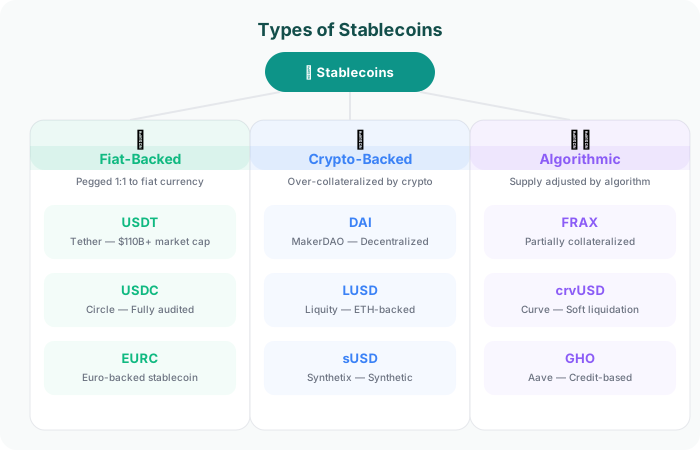
The total stablecoin market reached approximately $314 billion in 2025, signaling massive global adoption — particularly in emerging markets where currency stability is a daily concern.
Why Save in Stablecoins? The Inflation Problem
The core argument for stablecoin savings is simple: your bank account is losing you money if the interest rate is lower than inflation. In many countries, this gap is enormous.
The Savings Gap: Bank Interest vs. Inflation
I compiled data from central banks across our 20 target countries. The results speak for themselves:
| Country | Inflation Rate | Bank Savings Rate | Real Return | Currency vs USD (3yr) |
|---|---|---|---|---|
| 🇦🇷 Argentina | 32.4% | 26-44% | -6% to +12% | ↓87% (6.9x) |
| 🇹🇷 Turkey | 31.5% | 22-28% | -3.5% to -9.5% | -94% |
| 🇳🇬 Nigeria | 15.1% | 8-12% | -3% to -7% | -203% |
| 🇧🇩 Bangladesh | 9.1% | 3-6% | -3% to -6% | -10% |
| 🇵🇰 Pakistan | 7.0% | 5.5-10.5% | -1.5% to +3.5% | -24% |
| 🇷🇺 Russia | 5.6% | 7-10% | +1.4% to +4.4% | -58% |
| 🇨🇴 Colombia | 5.1% | 1-5% | -0.1% to -4.1% | -5% |
| 🇧🇷 Brazil | 4.4% | ~7.7% | +3.3% | -11% |
| 🇲🇽 Mexico | 4.0% | 2-5% | -2% to +1% | -5% |
| 🇻🇳 Vietnam | 3.4% | 2-5% | -1.4% to +1.6% | -2% |
| 🇮🇳 India | 2.8% | 2.5-6.5% | -0.3% to +3.7% | -39% |
| 🇵🇭 Philippines | 2.4% | 0.1-1.5% | -0.9% to -2.3% | -7% |
| 🇮🇩 Indonesia | 4.76% | ~4.0% | -0.8% | -10% |
| 🇹🇭 Thailand | -0.88% (deflation) | ~1.5% | +2.4% | +8-10% |
| 🇰🇷 South Korea | 2.0% | ~2.9% | +0.9% | -14% |
| 🇯🇵 Japan | 1.5% | 0.3% | -1.2% | -18% |
| 🇪🇺 EU (France/Germany) | 1.9% | 2-3% | +0.5% | +7% |
| 🇦🇪 UAE | ~1.8% | 2.5-4.4% | +1% to +3% | 0% (USD peg) |
| 🇸🇦 Saudi Arabia | 1.8% | ~5.0% | +3.2% | 0% (USD peg) |
| 🇺🇦 Ukraine | 7.6% | 12-14% | +5% to +7% | -15% |
Key insight: In 12 out of 20 countries, typical bank savings accounts deliver negative real returns — meaning your money loses purchasing power every year you keep it in the bank. Even where nominal rates look high (Argentina’s 44%, Turkey’s 28%), they often trail inflation.
Meanwhile, stablecoin yields on established platforms range from 4-10% APY in USD terms. Since stablecoins are pegged to the dollar, this yield preserves purchasing power regardless of local currency depreciation.
The Currency Depreciation Factor
Bank interest becomes meaningless when your currency is collapsing. Consider these real-world scenarios:
- Nigeria: $1,000 worth of naira in January 2023 (₦460,000) would be worth approximately $329 today at the current rate of ₦1,397/$. That’s a 67% loss despite earning 10% bank interest.
- Argentina: $1,000 worth of pesos in January 2023 would be worth roughly $127 today — a 87% loss even with 40%+ bank rates.
- Turkey: $1,000 worth of lira in January 2023 would be worth approximately $514 today, a 49% loss despite 25%+ bank rates.
In my analysis, stablecoin holders in these countries preserved 100% of their USD purchasing power while earning additional yield. The difference is stark.
Country-by-Country Stablecoin Savings Guide
Every country has different regulations, platforms, and payment methods for accessing stablecoins. Here’s what you need to know for each market.
Nigeria (NGN)
| Factor | Details |
|---|---|
| Legal Status | Legal, regulated under ISA 2025 |
| Regulator | Securities & Exchange Commission (SEC Nigeria) |
| Inflation | 15.1% (Jan 2026) — declining from 34% peak |
| Bank Rate | 8-12% traditional; up to 22% fintech |
| Real Return (bank) | -3% to +7% (fintech) |
| Crypto Tax | 15-25% income tax on gains |
| Top Platforms | Busha, Quidax (SEC licensed), Yellow Card, Luno |
| Payment Methods | Bank transfer, mobile money, P2P |
| Preferred Stablecoin | USDT (88.5% of stablecoin activity) |
Nigeria-specific note: The SEC’s Accelerated Regulatory Incubation Program (ARIP) now provides a sandbox for crypto platforms. A naira-pegged stablecoin (cNGN) launched in 2025, but USDT remains dominant for savings due to USD peg.
Pakistan (PKR)
| Factor | Details |
|---|---|
| Legal Status | Legal under Virtual Assets Act 2026 (signed March 6, 2026) |
| Regulator | PVARA (Pakistan Virtual Assets Regulatory Authority) |
| Inflation | 7.0% (Feb 2026) |
| Bank Rate | 5.5-10.5% |
| Real Return (bank) | -1.5% to +3.5% |
| Crypto Tax | Capital gains tax (rate TBD under new framework) |
| Top Platforms | Binance (NOC issued Dec 2025), OKX |
| Payment Methods | Bank transfer, JazzCash, Easypaisa |
Pakistan-specific note: The newly established PVARA sandbox (live Feb 2026) marks a major shift. Binance received a No Objection Certificate in December 2025, making regulated stablecoin access significantly easier for Pakistani users.
Philippines (PHP)
| Factor | Details |
|---|---|
| Legal Status | Legal (not legal tender), well-regulated |
| Regulator | BSP (Bangko Sentral ng Pilipinas) + SEC |
| Inflation | 2.4% (Feb 2026) |
| Bank Rate | 0.1-1.5% (up to 15% digital banks) |
| Real Return (bank) | -2.3% to -0.9% traditional |
| Crypto Tax | Subject to income tax |
| Top Platforms | Coins.ph (BSP regulated), Bitget, GCash + USDC |
| Payment Methods | InstaPay, PESONet, bank transfer, GCash |
Philippines-specific note: The Philippines has one of the most mature crypto regulatory frameworks in Asia. GCash integration with USDC makes stablecoin access remarkably easy through mobile wallets that millions already use.
India (INR)
| Factor | Details |
|---|---|
| Legal Status | Legal but heavily taxed (gray area for stablecoins) |
| Regulator | RBI + Income Tax Department |
| Inflation | 2.75% (Jan 2026) |
| Bank Rate | 2.5-6.5% (up to 7.25% small finance banks) |
| Real Return (bank) | -0.3% to +4.5% |
| Crypto Tax | 30% flat tax on gains + 1% TDS |
| Top Platforms | BuyUcoin (FIU registered), Binance, Kraken |
| Payment Methods | Bank transfer, UPI |
India-specific note: India’s 30% crypto tax plus 1% TDS makes stablecoin savings less attractive compared to other countries on this list. The rupee’s 39% depreciation against the dollar over 3 years still makes a case for USD stablecoin holdings, but calculate your after-tax returns carefully.
Brazil (BRL)
| Factor | Details |
|---|---|
| Legal Status | Legal, comprehensive regulation (BCB Resolutions 519-521, Feb 2026) |
| Regulator | Central Bank of Brazil (BCB) |
| Inflation | 4.44% (Jan 2026) |
| Bank Rate | ~7.7% average (SELIC at 15%) |
| Real Return (bank) | +3.3% |
| Crypto Tax | IOF tax applicable; transaction limit $100K |
| Top Platforms | Mercado Bitcoin, Binance, Ripio |
| Payment Methods | PIX (instant), bank transfer |
Brazil-specific note: Brazil is unique — bank rates actually beat inflation, making the pure savings case weaker. However, the real depreciated 27% in 2024 alone. Five Real-pegged stablecoins (BRZ, cREAL, BRLA, BRL1, BBRL) now exist for those who want local-currency stability with crypto flexibility. For USD exposure, USDT/USDC via PIX remain the easiest options.
Argentina (ARS)
| Factor | Details |
|---|---|
| Legal Status | Legal (CNV registration mandatory, Law 27,739) |
| Regulator | CNV (National Securities Commission) |
| Inflation | 32.4% (Jan 2026) — declining from peak |
| Bank Rate | 26-44% |
| Real Return (bank) | -6% to +12% (volatile) |
| Crypto Tax | Subject to income tax |
| Top Platforms | SatoshiTango, Ripio, Lemon Cash |
| Payment Methods | Bank transfer, P2P |
Argentina-specific note: Argentina is the strongest use case for stablecoin savings. An estimated 60% of all crypto activity in Argentina involves USDT/USDC — people aren’t speculating, they’re surviving. The removal of most currency controls (“cepo cambiario”) in 2025 improved access, but the peso’s catastrophic depreciation makes dollar stablecoins essential for anyone with savings to protect.
Mexico (MXN)
| Factor | Details |
|---|---|
| Legal Status | Legal with limits (banks cannot offer crypto) |
| Regulator | Banxico + CNBV |
| Inflation | 4.0% (Feb 2026) |
| Bank Rate | 2-5% traditional; 3-8% digital |
| Real Return (bank) | -2% to +4% |
| Crypto Tax | Subject to income tax |
| Top Platforms | Bitso (market leader), Mercado Bitcoin |
| Payment Methods | SPEI (bank transfer), cash deposits |
Mexico-specific note: Peso-pegged stablecoins (MXNB, MXNe) are growing for those who want local-currency stability. Bitso is the dominant platform with deep MXN liquidity. Mexican banks are prohibited from offering crypto directly since 2021, so exchanges are the primary access point.
Colombia (COP)
| Factor | Details |
|---|---|
| Legal Status | Legal (unregulated category, tax reporting since Jan 2026) |
| Regulator | SFC + Banco de la República |
| Inflation | 5.1% (Dec 2025) |
| Bank Rate | 1-5% traditional; 3-8% digital |
| Real Return (bank) | -4.1% to +2.9% |
| Crypto Tax | DIAN reporting required (OECD CARF alignment Jan 2026) |
| Top Platforms | Wenia, Ripio, Bitso |
| Payment Methods | Bank transfer, Nequi, Bancolombia |
Colombia-specific note: Over 50% of exchange purchases in Colombia involve stablecoins. New DIAN tax reporting rules (aligned with OECD’s Crypto Asset Reporting Framework) took effect January 2026, so keep transaction records.
Russia (RUB)
| Factor | Details |
|---|---|
| Legal Status | Legal for international use; domestic payments illegal |
| Regulator | Central Bank of Russia |
| Inflation | 5.6% (Dec 2025) |
| Bank Rate | 7-10% (policy rate ~15.5%) |
| Real Return (bank) | +1.4% to +4.4% |
| Crypto Tax | 13-15% income tax |
| Top Platforms | P2P markets, Bybit, BingX |
| Payment Methods | Sberbank, Tinkoff, FPS (Fast Payment System) |
Russia-specific note: Despite decent bank rates, the ruble has lost 58% against the dollar over 3 years. A comprehensive crypto framework takes effect July 1, 2026. Non-qualified investors face a ₽300,000/year limit. Stablecoin access is primarily through P2P markets and international exchanges. The Moscow Exchange is expected to launch regulated crypto trading by mid-2026.
Turkey (TRY)
| Factor | Details |
|---|---|
| Legal Status | Legal but restricted (cannot use for payments) |
| Regulator | Capital Markets Board (SPK/CMB) |
| Inflation | 31.5% (Feb 2026) |
| Bank Rate | 22-28% traditional; 25-35%+ digital |
| Real Return (bank) | -3.5% to +3.5% |
| Crypto Tax | 10% withholding tax |
| Top Platforms | Licensed CASPs, Coinbase, Kraken |
| Payment Methods | Bank transfer, Papara |
Turkey-specific note: Turkey has strict limits — daily crypto transactions capped at $3,000 and monthly at $5,000 (MASAK Circular No. 29). CASP licensing has been mandatory since March 2025. Despite these restrictions, stablecoin adoption is extremely high due to the lira’s persistent depreciation.
Vietnam (VND)
| Factor | Details |
|---|---|
| Legal Status | Legal under Digital Technology Law (Jan 2026); stablecoin rules ambiguous |
| Regulator | Ministry of Finance + State Bank of Vietnam |
| Inflation | 3.4% (Feb 2026) |
| Bank Rate | 2-5% (up to 6%) |
| Real Return (bank) | -1.4% to +2.6% |
| Crypto Tax | Subject to income tax |
| Top Platforms | Bitget, P2P markets, Remitano |
| Payment Methods | Vietcombank, MoMo, bank transfer |
Vietnam-specific note: Vietnam ranks consistently high in global crypto adoption despite regulatory ambiguity. The Digital Technology Law (effective January 2026) established a legal framework for digital assets, but stablecoin-specific rules are still being developed. A regulatory sandbox is evaluating AML/KYC protocols.
Bangladesh (BDT)
| Factor | Details |
|---|---|
| Legal Status | Officially restricted (gray area in practice) |
| Regulator | Bangladesh Bank |
| Inflation | 9.1% (Feb 2026) |
| Bank Rate | 3-6% |
| Real Return (bank) | -3% to -6% |
| Crypto Tax | Withholding tax (varies) |
| Top Platforms | P2P only (underground market) |
| Payment Methods | bKash, Nagad, bank transfer |
Bangladesh-specific note: Despite an official ban, approximately 3.1 million Bangladeshis hold crypto wallets (ranked #13 globally). Access is primarily through P2P markets. The gap between inflation (9.1%) and bank rates (3-6%) creates strong demand, but users should be aware of potential legal risks until regulatory clarity improves.
Indonesia (IDR)
| Factor | Details |
|---|---|
| Legal Status | Legal to trade as digital financial asset; illegal as payment |
| Regulator | OJK (Financial Services Authority, took over from Bappebti Jan 2025) |
| Inflation | 4.76% (Feb 2026) \u2014 above BI target of 2.5% \u00b11% |
| Bank Rate | ~4.0-4.15% term deposits |
| Real Return (bank) | -0.8% |
| Crypto Tax | Subject to income tax |
| Top Platforms | Tokocrypto (#1), Indodax (7.5M+ members), Pintu |
| Payment Methods | BCA, Mandiri, GoPay, OVO, Dana (all via QRIS) |
| Preferred Stablecoin | USDT (dominant via P2P and licensed exchanges) |
Indonesia-specific note: Indonesia ranks #7 globally in crypto adoption (Chainalysis 2025) with 14+ million crypto users and 29 OJK-licensed exchanges. With inflation at 4.76% exceeding deposit rates of ~4%, bank savings are losing purchasing power. The rupiah has weakened ~10% against the dollar over 3 years. OJK reclassified crypto as a “digital financial asset” (from commodity under Bappebti), with exchanges required to hold IDR 1 trillion (~$60M) in paid-up capital. For savers, stablecoins offer USD exposure that rupiah deposits cannot match during periods of currency weakness.
Thailand (THB)
| Factor | Details |
|---|---|
| Legal Status | Legal, classified as “digital assets” under 2018 Digital Asset Decree |
| Regulator | SEC Thailand |
| Inflation | -0.88% (Feb 2026) \u2014 deflation (11th consecutive month) |
| Bank Rate | ~1.5-1.6% (BOT policy rate: 1.00%) |
| Real Return (bank) | +2.4% (positive due to deflation) |
| Crypto Tax | 0% capital gains on SEC-licensed exchanges (Jan 2025 \u2013 Dec 2029) |
| Top Platforms | Bitkub (75.4% market share), Orbix (ex-Satang Pro), Binance TH |
| Payment Methods | PromptPay, TrueMoney Wallet, K PLUS (KBank), SCB EASY |
Thailand-specific note: Thailand is unique on this list \u2014 the baht has actually appreciated 8-10% against the USD over 3 years, and the country is experiencing deflation. This means bank savings are delivering positive real returns and there’s no currency depreciation to hedge against. The stablecoin savings case here is about yield optimization rather than inflation protection: Thailand’s 0% crypto capital gains tax (until 2029) on licensed exchanges makes stablecoin yield earning particularly attractive. Earning 5-8% on USDC with zero capital gains tax compares very favorably to 1.5% bank deposits.
South Korea (KRW)
| Factor | Details |
|---|---|
| Legal Status | Legal under VAUPA (Virtual Asset User Protection Act) |
| Regulator | FSC (Financial Services Commission) |
| Inflation | 2.0% (Feb 2026) \u2014 in line with BOK target |
| Bank Rate | ~2.9% (BOK base rate: 2.50%) |
| Real Return (bank) | +0.9% |
| Crypto Tax | 20% on gains above \u20a92.5M (from 2025) |
| Top Platforms | Upbit (~70% market share), Bithumb, Coinone |
| Payment Methods | KakaoPay (23M+ users), Toss, Naver Pay, bank transfer |
South Korea-specific note: Korea’s crypto market is massive \u2014 $722B+ in fiat purchase volume \u2014 but the stablecoin savings case is nuanced. Bank rates marginally beat inflation, and the won’s 14% depreciation over 3 years makes USD exposure appealing. The unique “kimchi premium” (crypto prices 0.5-2% above global rates on Korean exchanges) adds complexity when buying stablecoins. VAUPA mandates segregated customer deposits and 80%+ cold wallet storage, providing strong consumer protection. Korea is opening institutional crypto access in 2026, which may deepen stablecoin liquidity.
Japan (JPY)
| Factor | Details |
|---|---|
| Legal Status | Legal \u2014 reclassifying 105 cryptos as “financial products” in 2026 |
| Regulator | JFSA (Financial Services Agency) + JVCEA (self-regulatory) |
| Inflation | 1.5% (Jan 2026) |
| Bank Rate | 0.30% (highest since 1993, raised Dec 2025) |
| Real Return (bank) | -1.2% |
| Crypto Tax | Flat 20% (reduced from progressive up to 55%); loss carry-forward 3 years |
| Top Platforms | bitFlyer, Coincheck (Monex Group), GMO Coin, Bitbank |
| Payment Methods | PayPay, LINE Pay, bank transfer (MUFG, SMBC, Mizuho) |
| Local Stablecoin | JPYC (first regulated JPY stablecoin, launched Oct 2025, ~$17M market cap) |
Japan-specific note: Japan presents perhaps the most compelling case for stablecoin savings among developed nations. Bank deposit rates of 0.30% (the highest in 30 years, yet still negligible) versus 5-8% stablecoin yields creates a massive yield gap. The yen has weakened ~18% against the dollar over 3 years. Japan’s 2026 crypto reform \u2014 reclassifying crypto as financial products with a flat 20% tax (down from up to 55%) and 3-year loss carry-forward \u2014 dramatically improves the after-tax economics of stablecoin yield. Japan also has its own JPY-pegged stablecoin (JPYC), with convenience store integration planned through 65,000 locations. For Japanese savers, the choice is stark: 0.30% at the bank or 4-8% in USDC/USDT after a 20% flat tax.
France / Germany (EUR)
| Factor | Details |
|---|---|
| Legal Status | Legal under MiCA (Markets in Crypto-Assets Regulation) |
| Regulator | AMF (France) / BaFin (Germany) + EU-wide EBA/ESMA oversight |
| Inflation | Eurozone: 1.9% (Feb 2026); France: 0.4%; Germany: 2.1% |
| Bank Rate | ~2-3% term deposits; France: Livret A at 2.4% |
| Real Return (bank) | +0.5% (slightly positive) |
| Crypto Tax | France: 30% flat tax; Germany: 0% after 1-year holding period |
| Top Platforms | Binance, Kraken, Bitstamp (MiCA-licensed); Local: Coinhouse (FR), BSDEX (DE) |
| Payment Methods | SEPA Instant (free/near-free), N26, Revolut, Lydia (FR), PayPal |
| EU Stablecoin | EURC (Circle, ~$456M market cap, MiCA-compliant euro stablecoin) |
EU-specific note: The stablecoin savings case for EU residents differs fundamentally from emerging markets. With inflation near the ECB’s 2% target and bank rates providing slightly positive real returns, there’s no currency crisis to hedge against. The EUR has actually appreciated ~7% against USD over 3 years. The EU use case is:
- Yield optimization: 4-8% DeFi yield on USDC/EURC vs. 2-3% bank deposits
- Germany’s tax advantage: Crypto held for >1 year is completely tax-free, making long-term stablecoin holding uniquely attractive
- EURC (Circle): A MiCA-compliant euro stablecoin (~$456M market cap) that eliminates USD/EUR currency risk for European savers
- MiCA consumer protection: Under Title III, stablecoin issuers must maintain full reserves, provide redemption rights, and undergo regular audits
Important: USDT availability in the EU may be restricted under MiCA’s stablecoin provisions. EU residents should prioritize USDC (MiCA-compliant) or EURC (EUR-denominated, MiCA-compliant) for long-term holdings. The MiCA CASP authorization deadline is July 1, 2026.
UAE / Saudi Arabia (AED / SAR)
| Factor | Details |
|---|---|
| Legal Status | UAE: Legal, comprehensive (VARA/ADGM); Saudi: Gray zone (not prohibited) |
| Regulator | UAE: VARA (Dubai) + ADGM (Abu Dhabi); Saudi: SAMA + CMA |
| Inflation | UAE: ~1.8%; Saudi: 1.8% |
| Bank Rate | UAE: 2.5-4.4%; Saudi: ~5.0% |
| Real Return (bank) | UAE: +1% to +3%; Saudi: +3.2% |
| Crypto Tax | UAE: 0% (no personal income tax); Saudi: No framework |
| Top Platforms | UAE: Binance (VARA), OKX, Rain, BitOasis; Saudi: Rain, Binance P2P |
| Payment Methods | UAE: Emirates NBD, FAB, PayIt; Saudi: STC Pay, Al Rajhi, mada Pay |
Gulf-specific note: The UAE and Saudi Arabia present a unique profile: dollar-pegged currencies (AED at 3.6725, SAR at 3.75) mean there’s zero FX risk against USD. Combined with high bank deposit rates (up to 5% in Saudi), the inflation-protection argument for stablecoins is weak here. The Gulf use case is:
- Yield enhancement: DeFi yields of 5-10% vs. 2.5-5% bank deposits, with UAE’s 0% personal income tax making stablecoin yield fully tax-free
- Expatriate remittances: Millions of expat workers sending money home — stablecoins can reduce remittance costs (see our remittance cost guide)
- Portfolio diversification: Access to DeFi protocols and global crypto yield not available through traditional Gulf banking
UAE crypto ownership stands at 25.3% of the population \u2014 the highest rate globally. VARA’s comprehensive licensing regime provides strong regulatory clarity. Saudi Arabia has no dedicated crypto framework yet, making it a regulatory gray zone \u2014 users should exercise caution and monitor SAMA/CMA announcements.
Ukraine (UAH)
| Factor | Details |
|---|---|
| Legal Status | Pending comprehensive legislation (Law 2074 adopted, not in force; Bill 10225-d pending) |
| Regulator | NBU (National Bank of Ukraine) + pending authority under Bill 10225-d |
| Inflation | 7.6% (Feb 2026) |
| Bank Rate | 12-14% (NBU policy rate: 15.0%) |
| Real Return (bank) | +5% to +7% (highest on this list) |
| Crypto Tax | 5% preferential rate (proposed) \u2192 18% + 5% military levy |
| Top Platforms | WhiteBIT (Ukrainian-founded, 8M+ users), Kuna, Bybit, OKX |
| Payment Methods | PrivatBank, Monobank, P2P via OKX/Binance |
| Restriction | 100,000 UAH/month (~$2,300) crypto purchase limit under martial law |
Ukraine-specific note: Ukraine ranks #8 globally in crypto adoption and #1 when adjusted for population (Chainalysis 2025). The wartime context makes stablecoin savings deeply personal: the hryvnia has lost ~15% against the dollar over 3 years, and uncertainty about the conflict’s duration makes USD-denominated savings a practical necessity for many Ukrainians.
However, Ukraine’s bank rates of 12-14% deliver the highest real returns on this list (+5-7%). For those comfortable with UAH deposits and Ukrainian bank solvency, traditional savings are mathematically superior. The stablecoin case is about:
- Currency hedging: Protection against further hryvnia depreciation if the conflict escalates
- Portability: Diaspora members (1.23M in Germany, 965K in Poland, 393K in Czechia) can hold USD savings accessible from any country
- Access: WhiteBIT grew 8x since the 2022 invasion, reflecting genuine demand
Martial law restriction: NBU limits crypto purchases to 100,000 UAH/month (~$2,300). Monobank has also blocked Binance UAH withdrawals. Despite these restrictions, P2P markets remain active through OKX and WhiteBIT.
Beyond USD: Euro and Yen Stablecoins
While USDT and USDC dominate globally, non-USD stablecoins are gaining traction — particularly for users who want to avoid USD/local-currency exchange risk:
EURC (Circle) — Euro Stablecoin
| Factor | Details |
|---|---|
| Market Cap | ~$456 million (Mar 2026) |
| Issuer | Circle (same as USDC) |
| MiCA Status | Fully compliant — classified as E-Money Token (EMT) |
| Chains | Ethereum, Base, Avalanche, Solana, Stellar |
| Market Share | ~41% of euro stablecoin market |
| Best For | EU residents who want euro-denominated savings without USD/EUR FX risk |
EURC is the recommended euro stablecoin for savings. It’s MiCA-compliant, issued by Circle (the same company behind USDC), and provides full reserve backing. EU residents can hold EURC to earn DeFi yields in euro terms without exposure to USD exchange rate fluctuations.
JPYC — Japanese Yen Stablecoin
| Factor | Details |
|---|---|
| Market Cap | ~$17 million (Mar 2026) |
| Status | First domestically approved JPY stablecoin (launched Oct 2025) |
| Chains | Ethereum, Avalanche, Polygon |
| Use Cases | Card top-ups, P2P payments, retail (65,000 convenience stores planned) |
| Competitor | JPYSC by SBI Shinsei Trust Bank (institutional-grade, Q2 2026 target) |
JPYC is still early-stage ($17M market cap) but represents a milestone: the first regulated yen stablecoin. For Japanese savers who want crypto exposure without USD risk, JPYC is an emerging option — but limited liquidity means USDT/USDC remain more practical for yield earning.
Warning on EURS (Stasis): The euro stablecoin EURS (~$153M market cap) has experienced severe de-pegging events in March 2026, crashing 25% below peg and then surging 31.5% above. We do not recommend EURS for savings until peg stability improves.
How to Start Saving in Stablecoins
Here’s the step-by-step process I recommend for safely converting local currency savings into stablecoins:

Step 1: Choose Your Stablecoin
For savings purposes, I recommend starting with either USDT or USDC:
| Factor | USDT | USDC | Winner |
|---|---|---|---|
| Availability | Widest (all exchanges, P2P) | Major exchanges, DeFi | USDT |
| Transparency | Quarterly attestations | Monthly audits by Deloitte | USDC |
| Regulatory Compliance | Moderate | High (US-regulated) | USDC |
| DeFi Yield | Competitive | Slightly higher on some platforms | Tie |
| P2P Liquidity | Highest globally | Growing but lower | USDT |
| Depeg History | Brief deviations, always recovered | $0.87 in March 2023 (SVB), recovered | USDT |
My recommendation: Use USDT for countries where P2P is the primary access method (Nigeria, Bangladesh, Russia). Use USDC where you plan to earn yield through DeFi protocols, thanks to its stronger audit trail.
Step 2: Select a Platform
- Regulated exchanges (safest): Binance, Coinbase, Kraken, or licensed local platforms
- P2P markets (most accessible): Binance P2P, Noones, Paxful — essential where bank-to-exchange transfers are restricted
- DeFi protocols (advanced): Uniswap, 1inch — for users comfortable with self-custody wallets
Important: Always verify the platform is licensed in your country. Check the regulatory status tables above for country-specific recommendations.
Step 3: Buy Stablecoins with Local Currency
- Create an account on your chosen platform
- Complete any required verification (KYC level varies by platform and country)
- Deposit local currency using your available payment method (bank transfer, mobile money, PIX, etc.)
- Purchase USDT or USDC at market rate
- Verify the purchase in your account balance
Cost tip: P2P markets typically charge 1-3% premium over the official exchange rate. Exchange deposits via bank transfer usually have lower fees (0.1-1%). In my experience, comparing 2-3 P2P sellers before buying saves an average of 0.5-1% on each purchase.
Step 4: Secure Your Stablecoins
Once you own stablecoins, you have three storage options:
| Storage Method | Security | Convenience | Yield Potential | Best For |
|---|---|---|---|---|
| Exchange wallet | Medium | High | CeFi earn available | Active traders, CeFi yield |
| Software wallet | Medium-High | Medium | DeFi yield available | DeFi users, moderate amounts |
| Hardware wallet | Highest | Low | None (cold storage) | Large amounts, long-term savings |
For savings above $1,000, I recommend moving to a hardware wallet (Ledger, Trezor) for the portion you don’t plan to use for yield earning. For more on wallet security, see our crypto wallet guide.
Earning Yield on Stablecoin Savings
Simply holding stablecoins protects against local currency depreciation. But you can also earn yield — essentially interest on your digital dollars. Here’s how the options compare in 2026:
CeFi Platforms (Centralized Exchange Earn Programs)
| Platform | USDT APY | USDC APY | Structure | Risk Level |
|---|---|---|---|---|
| Binance Earn | ~10.5% | ~7.6% | Flexible savings | Medium (exchange risk) |
| Bybit Earn | 8-11% | Limited | First $200 capped; staking options | Medium |
| MEXC | 6-10% | 5-8% | Flexible + locked terms | Medium |
| OKX | 5-9% | 5-8% | Flexible + locked terms | Medium |
CeFi pros: Easy to use, high yields, no gas fees. CeFi cons: You trust the exchange with your funds (counterparty risk), yields can change without notice.
DeFi Platforms (Decentralized Lending Protocols)
| Protocol | USDT/USDC APY | DAI APY | TVL | Risk Level |
|---|---|---|---|---|
| Aave | 4-7% | 3-8% | $40B+ | Low-Medium (audited, battle-tested) |
| Compound | 3-5% | 3-5% | $5B+ | Low-Medium (audited) |
| Morpho | 5-8%+ | 5-8%+ | $10B+ | Medium (newer protocol) |
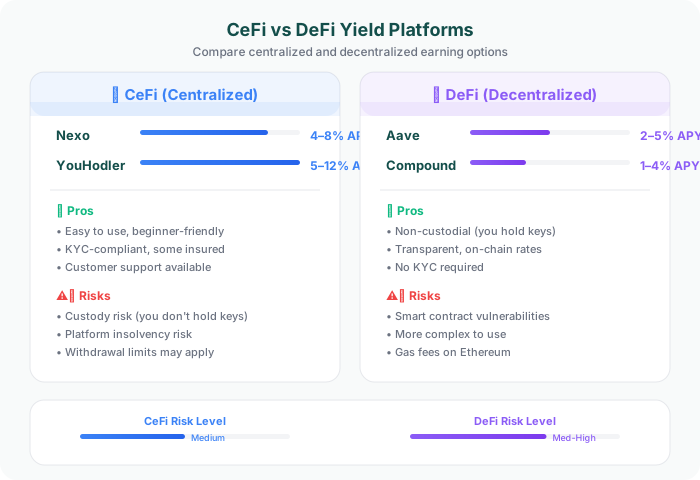
DeFi pros: Non-custodial (you keep control), transparent rates, no KYC. DeFi cons: Requires wallet knowledge, gas fees on some chains, smart contract risk.
The global crypto-collateralized lending market reached $73.6 billion in 2026, with Aave leading at over $40 billion in total value locked. These aren’t experimental protocols — they’re established financial infrastructure.
My Recommended Strategy by Risk Tolerance
| Profile | Strategy | Expected Yield | Risk |
|---|---|---|---|
| Conservative | USDC in hardware wallet (no yield) | 0% (USD preservation only) | Minimal |
| Moderate | USDC in Aave/Compound | 4-7% APY | Low-Medium |
| Growth | Split: 50% DeFi (Aave) + 50% CeFi (Binance Earn) | 6-9% APY | Medium |
| Aggressive | Multiple protocols + locked CeFi terms | 8-12% APY | Medium-High |
Important: Never put all your savings into one platform or protocol. I personally split across at least 2-3 different platforms to manage risk.
Risks You Must Understand
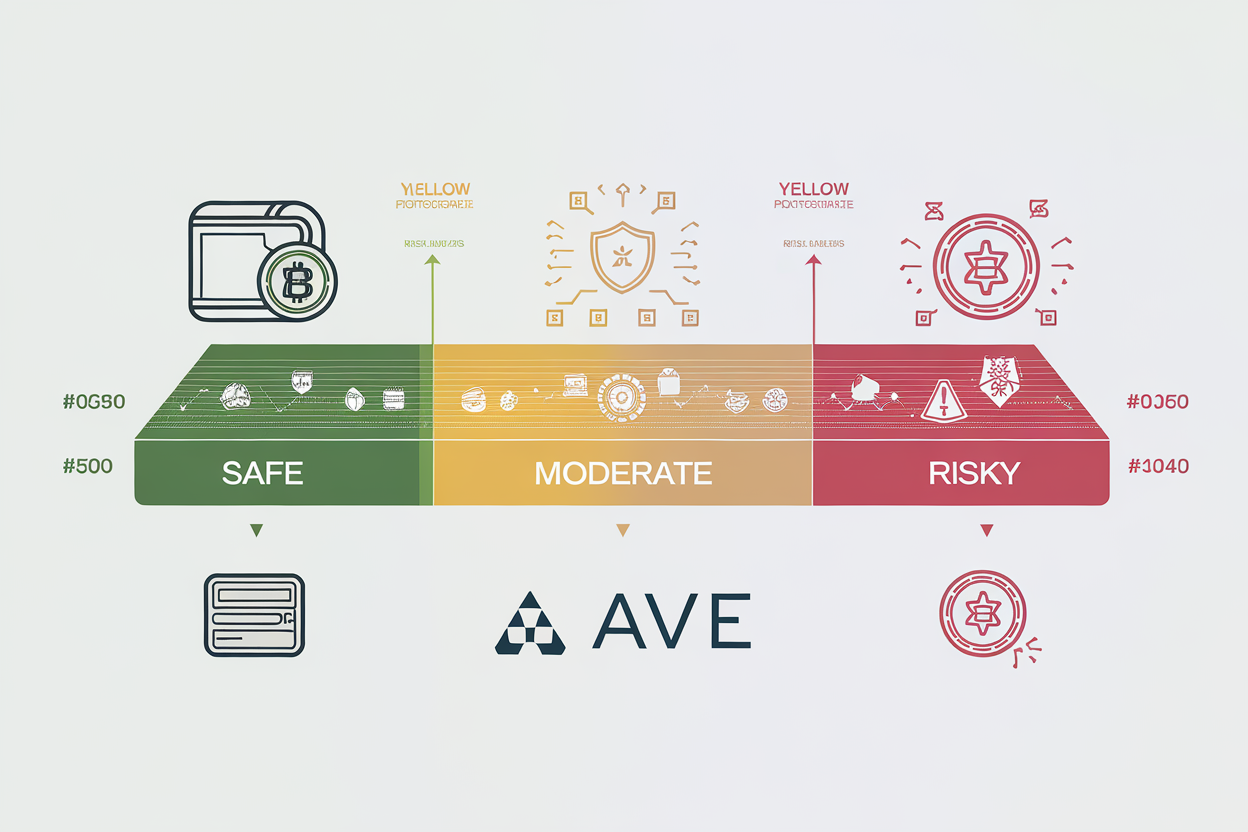
Stablecoin savings are not risk-free. Here are the real dangers and how to mitigate them:
1. Depeg Risk
Stablecoins can temporarily lose their $1.00 peg. Historical examples:
| Event | Stablecoin | Date | Lowest Price | Outcome |
|---|---|---|---|---|
| UST/Luna Collapse | UST (algorithmic) | May 2022 | $0.10 | Total loss — $50B+ wiped out |
| SVB Bank Run | USDC (fiat-backed) | March 2023 | $0.87 | Recovered in 2-3 days after FDIC backstop |
Mitigation: Only use fiat-backed stablecoins (USDT, USDC) for savings. Never use algorithmic stablecoins. The UST collapse is the clearest warning in crypto history.
2. Platform/Exchange Risk
If an exchange goes bankrupt (like FTX in 2022), your funds may be lost. Mitigation: Don’t keep all savings on one exchange. Use hardware wallets for long-term holdings. Choose regulated, audited platforms.
3. Smart Contract Risk (DeFi)
DeFi protocols can have bugs. In 2025, several smaller protocols lost funds to exploits. Mitigation: Stick to battle-tested protocols (Aave, Compound) with extensive audit histories. Avoid chasing unusually high yields — if it looks too good to be true, it probably is.
4. Regulatory Risk
Governments can change rules. Bangladesh effectively prohibits crypto; other countries could tighten restrictions. Mitigation: Stay informed about your country’s regulations. Keep transaction records for tax compliance. Don’t invest more than you can afford to have restricted.
5. Issuer Risk
Stablecoin issuers (Tether, Circle) could face reserve problems. Mitigation: Diversify across multiple stablecoins. USDC’s monthly Deloitte audits provide stronger transparency than USDT’s quarterly attestations.
Tax Considerations by Country
Stablecoin holdings may be taxable in your jurisdiction. Here’s a quick reference:
| Country | Tax on Stablecoin Gains | Tax on Yield/Interest | Reporting Required |
|---|---|---|---|
| Nigeria | 15-25% income tax | Yes | Yes |
| Pakistan | Capital gains (rate TBD) | Expected yes | Under new PVARA rules |
| Philippines | Income tax rates | Yes | Yes |
| India | 30% flat + 1% TDS | Yes (30%) | Mandatory |
| Brazil | IOF tax; FX rules apply | Yes | Yes ($100K limit) |
| Argentina | Income tax rates | Yes | CNV registration required |
| Mexico | Income tax rates | Yes | Yes |
| Colombia | Income tax rates | Yes | DIAN reporting (Jan 2026) |
| Russia | 13-15% | Yes | Yes (₽300K limit for non-qualified) |
| Turkey | 10% withholding | Yes | Yes ($3K daily/$5K monthly limit) |
| Vietnam | Income tax (unclear specifics) | Likely yes | Developing |
| Bangladesh | N/A (officially restricted) | N/A | N/A |
| Indonesia | Income tax rates | Yes | OJK-licensed exchanges (29 total) |
| Thailand | 0% on licensed exchanges (2025-2029) | No (during exemption) | SEC Thailand licensed |
| South Korea | 20% on gains above \u20a92.5M | Yes | VAUPA real-name bank accounts required |
| Japan | Flat 20% (reduced from up to 55%) | Yes (20%) | Mandatory (FSA + NTA reporting) |
| France | 30% flat tax (PFU) | Yes (30%) | Yes (MiCA + AMF) |
| Germany | 0% after 1-year holding | Yes (if held <1 year) | Yes (BaFin) |
| UAE | 0% (no personal income tax) | No | VARA reporting for CASPs |
| Saudi Arabia | No crypto-specific framework | N/A | N/A (no licensing) |
| Ukraine | 5% preferential \u2192 18% + 5% military levy | Yes (same rate) | Under Bill 10225-d (pending) |
Always consult a local tax professional before converting significant amounts into stablecoins. Tax laws are changing rapidly across all 20 countries.
Frequently Asked Questions
Are stablecoins safe for long-term savings?
Fiat-backed stablecoins like USDT and USDC have maintained their peg through multiple market crashes, including Bitcoin dropping 70%+ in 2022. They are significantly safer than volatile cryptocurrencies. However, they carry risks including issuer insolvency, regulatory changes, and depeg events. For context, USDT has maintained its approximate $1 peg since 2014 through every crypto cycle. The key is choosing reputable, fiat-backed stablecoins and diversifying across multiple platforms.
How much should I keep in stablecoins vs. local currency?
This depends on your country’s inflation rate and your personal situation. In high-inflation countries (Argentina, Turkey, Nigeria), many users convert 50-80% of their savings to stablecoins. In moderate-inflation countries (Brazil, Mexico, India), a 20-40% allocation provides currency diversification without overexposure to crypto-specific risks. Always keep enough local currency for 1-3 months of expenses.
Can I lose money with stablecoins?
Yes. The UST/Luna collapse in May 2022 wiped out $50+ billion. USDC temporarily dropped to $0.87 during the SVB bank run in March 2023. Platform failures (FTX) can also result in losses. Fiat-backed stablecoins have proven more resilient, but no investment is 100% risk-free. The golden rule: never invest more than you can afford to lose, and diversify across stablecoins and platforms.
What’s the cheapest way to buy stablecoins in my country?
Bank transfers to regulated exchanges typically offer the lowest fees (0.1-1%). P2P markets charge 1-3% premiums but are essential where bank-to-exchange transfers are restricted. For the cheapest options by country, see our crypto remittance cost guide which covers the lowest-fee stablecoin purchase methods across all networks.
Do I need to pay taxes on stablecoin savings?
In most countries, yes — both on gains from currency conversion and on yield earned. India has the strictest regime (30% flat tax + 1% TDS). Several countries are actively updating their crypto tax frameworks (Pakistan, Colombia, Vietnam). Always consult a local tax professional and keep detailed transaction records.
Conclusion
Stablecoin savings represent one of the most practical applications of cryptocurrency in 2026. For the hundreds of millions of people living with high inflation, currency depreciation, and inadequate bank interest rates, converting a portion of savings into USDT or USDC is not speculation — it’s financial self-defense.
The key principles are simple:
- Choose fiat-backed stablecoins (USDT, USDC) — never algorithmic
- Use regulated platforms available in your country
- Diversify across stablecoins and platforms
- Secure large amounts in hardware wallets
- Earn yield carefully through established DeFi or CeFi platforms
- Stay tax compliant with your local regulations
Start small, learn the process, and gradually increase your stablecoin allocation as you gain confidence. Your future self will thank you.
Continue Learning
- What Is Cryptocurrency? Complete Beginner’s Guide
- How Blockchain Works: A Visual Guide
- How to Choose a Crypto Wallet
- What Are Stablecoins? Everything You Need to Know
- Cryptocurrency Security: Protecting Your Digital Assets
- Crypto vs Bank Transfers: The Real Cost of Sending Money
- P2P Crypto Trading Safety Guide: How to Buy and Sell Safely
This article is published by Apex Digital Media LLC. The information provided is for educational purposes only and should not be considered financial advice. Cryptocurrency investments carry significant risk, including the possible loss of principal. Always do your own research and consult a qualified financial advisor. See our Affiliate Disclosure and Editorial Policy for more information.